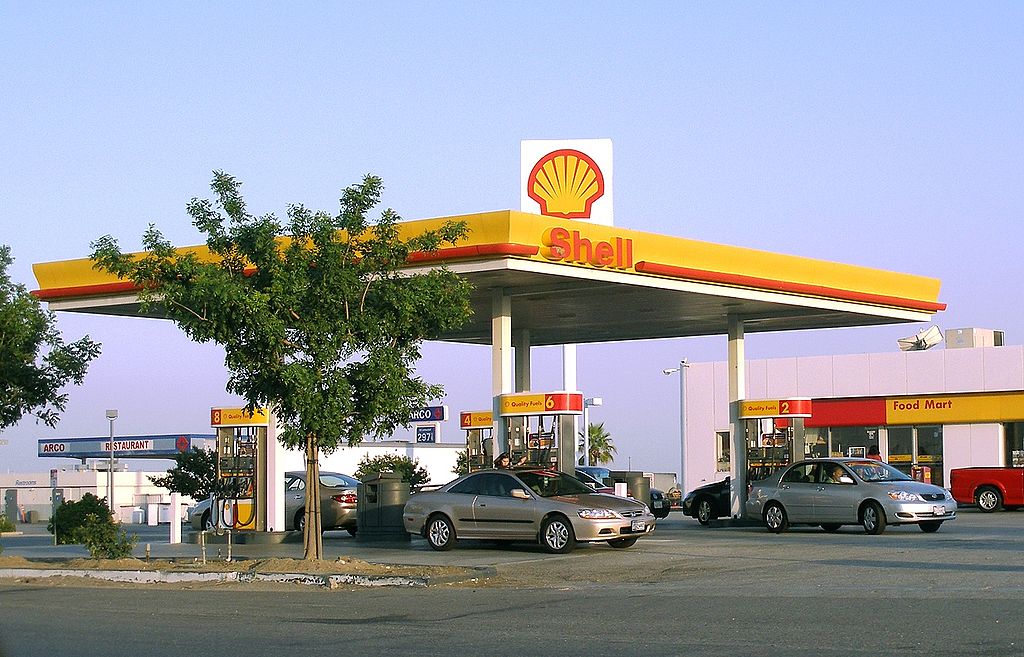
Cheap oil, cheap gas.Source: Wikipedia.org
The market is glutted with oil. Supply has overshot demand. Global demand is not expected to rise quickly. The textbook solution is to make supply rarer. It’s not an easy solution when reality strikes. It’s about market share. America has had a revolution in oil production since fracking was discovered. It has increased American production of shale. It is reported that US oil industry is presently encountering an oil storage problem. She’s not in a haste to make production cuts; and so are the Saudis. Saudi Arabia, one of the major producers of oil and a key founding member of OPEC, is going to hang on to its share of the market, whether it encounters losses or not.
The Saudis, I opine, do not rely on the U.S Energy Information Administration (EIA) pronouncement that demand might soon increase due to identified “tentative signs” of a recovery since the beginning of 2015.
Why? Iran and American have advanced on nuclear talks. If sanctions are removed, Iranian oil might increase global output. Libya has reported that the fall in oil prices has affected her GDP in significant ways. She can do nothing but increase output even if. This worries the Saudis. No one thinks they’d give grounds to the Venezuelans and Nigerians who face enormous losses in growth and income earnings if oil prices do not rise again soonest. Last week, Nigeria was downgraded by Standard and Poor’s; oil price declines and election uncertainties were reasons given.
The fortune of multinational companies in the oil and gas industries as well as renewable energy is at stake. It cuts across every facet of energy. Renewable energy has a substitution relationship with natural gas. When gas prices fell, the demand for renewable energy came after. What will happen to the stocks of renewables? They’ll go bearish. Investments made in shale and renewable energy by lots of investors before the dip of June 2014 is at stake. Texas, an oil producing state in the US, will lose 140,000 jobs in 2015 and its economy will slow to 1-2% from 3.4% in 2014. Two Houston-based companies, BPZ and Dune Energy, have already filed for bankruptcy. Most energy executives are concentrated on one objective: spending cuts to conserve cash and survive the downturn.
If the situation at Yemen becomes more precarious, Saudi Arabian oil will be affected. That, an uncertainty that carries a heavy discount, might well bring the prices of oil down. India has been reported to be taking advantage of low oil prices to insulate itself from supply distortions. Saudi Arabia is the major oil exporter to India. It might well be insulating itself to a foreseen supply distortion that would be caused by the action happening in Yemen.
Previous article in the series: Oil price uncertainty (1): Monetary and fiscal policies might arrive too late to be effective.
The slightly more than fifty percent (50%) fall in oil prices since June 2014 seems etched in stone. Oil prices are dipping. To shore up prices, oil exporters are relying on supply side economics. The market is not well understood. When major OPEC countries are sticking to their guns rather than implement expected production cuts, it could only be opined that uncertainty rides the market.
The steep fall of oil prices since June 2014!Source: Investing.com
For the past nine months, the news is beset with falling oil prices followed by reduction in energy bills – gasoline prices have fallen, fuel prices at the stations have fallen, prices of non-durable goods have also followed suit. Consumers seem to be having a good time. Income after taxes and transfers, what is called disposable income, is now worth more. Globally, the fall in oil prices have benefited consumers. It is estimated that the increase in global GDP due to a decline in oil prices should be around 0.7-0.8%.
But it’s not alright on the economic front for both oil importing and exporting countries despite the burgeoning demand.
The sweet story resides in the short-term. What really matters is the medium and long-term effects of a sustained and unrelenting fall in oil prices. What would a Central Banker do if reducing costs of production passes through declining inflation? According to Raju Huidrom, “the U.S. Federal Reserve has typically chosen to respond vigorously to inflation increases triggered by higher oil prices but has responded less to unexpected declines in inflation following oil price declines.” Expected monetary expansion are already been put in place. The European Central Bank’s quantitative easing program will give more liquidity to the banks and make the prices on corporate assets rise while their yields fall, therefore kicking in expected increases in investment. It is rumored that Israel might start a quantitative easing program soon.
But the problem, as foreseen in the recent OECD’s interim assessment report that was released last week is that expected investment increases might not be in the right channels. Increased capital expenditures and increased consumption of durable goods is a monetary policy goal but the market might not give them victory on a platter of gold. According to the OECD, the market is not operating on fundamentals.
Therefore, it is advised that fiscal policy should be used to strengthen and safeguard monetary policy. Reduction in the budget deficits of most developed countries and the BRIC countries would be desirable. Spending cuts in government are not easy to implement. It takes a long time. It takes strong political willpower. Even Nigeria, one of the foremost oil exporting member of OPEC, has been rumored to warn civil servants that to kick in spending cuts, they might have to accept some retrenchment.
If oil prices continue to remain adamant, the market will have to surrender to uncertainty. Except OPEC countries like Saudi Arabia agree to production cuts that should prop up oil prices.
Next in the series: Oil price uncertainty (2): Attired as a bear.


20150324200548.png)